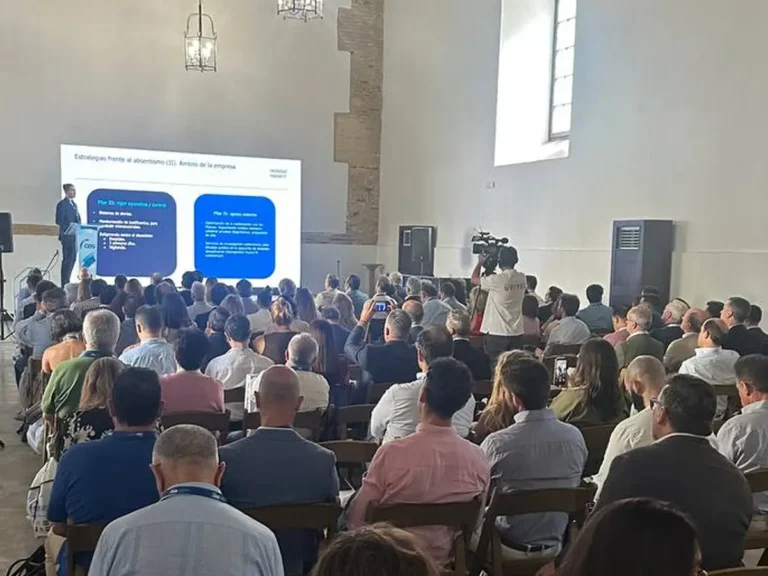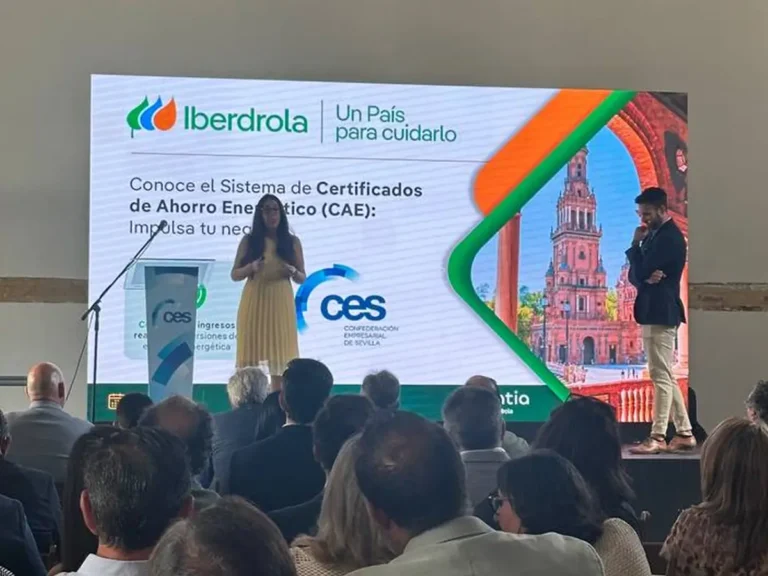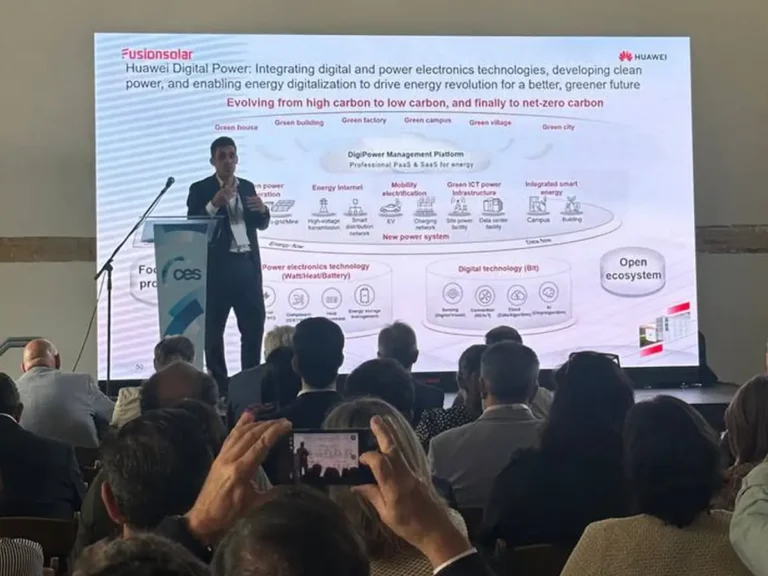

On 12 June 2026, the Scoobic Marketing team attended the XI Business Meeting of the Province of Seville, organised by the Confederation of Businessmen of Seville (CES). The event brought together approximately 150 businessmen, directors, and professionals from various economic sectors across the province.
Beyond the attendance figures, the meeting once again demonstrated something important: Seville is experiencing a moment of business transformation in which industry, innovation, internationalisation, and public-private collaboration are becoming strategic axes for the territory's growth.
For Scoobic, participating in these types of forums represents an opportunity to hear first-hand the concerns, challenges, and priorities of those building the Andalusian economic fabric.
A context of change affecting all businesses
Throughout the different interventions and conversations held during the day, a shared reality for a large part of the companies present became clear: we are living through a period of profound transition.
Digitalisation, sustainability, the transformation of production models, attracting talent, and the need to gain international competitiveness are no longer future challenges. They are issues that are conditioning current business decisions.
In this context, adaptability is consolidated as one of the main differentiating factors for any organisation.
Urban logistics is also part of that transformation
From Scoobic, we observe with particular interest how the evolution of cities and consumption habits is forcing a rethink of many traditional infrastructures and operational models.
The growth of e-commerce, restrictions on access to urban centres, and the need to improve operational efficiency are creating new challenges for businesses, logistics operators, and administrations.
Precisely for this reason, it is becoming increasingly evident that the conversation should no longer focus solely on vehicle electrification, but on how to build logistical models capable of being more productive, profitable and adapted to urban realities.
An idea aligned with Scoobic's vision: the transformation of the last mile involves redesigning the entire operation, not just substituting one technology for another.
Three takeaways from the meeting
Business collaboration will be key to competing
Many of the conversations revolved around the need to create more connected business ecosystems.
The major current challenges — from digitalisation to sustainability or talent acquisition — will be difficult to resolve in isolation. Collaboration between companies, institutions, and knowledge centres will become increasingly relevant.
2. Competitiveness no longer depends solely on the product
Increasingly, companies are understanding that competitive advantage is born from the ability to optimise processes, reduce inefficiencies and generate value sustainably.
In sectors like urban logistics, this translates into a fundamental question: how to do more with less?
3. Andalusia has the capacity to lead industrial and innovative projects
One of the most inspiring messages from the meeting was to see the growing prominence of Andalusian companies developing projects with national and international impact.
At Scoobic, we fully share that vision. We believe that innovation, industry, and technology can be spearheaded from Andalusia, generating employment, knowledge, and productive capacity to compete in global markets.
We continue building the future of urban logistics
Taking part in events like the XI Business Meeting of the Province of Seville allows us to stay close to the business reality, share experiences and contribute to an increasingly relevant debate: how to build more efficient companies and cities better prepared for the future.
Because the real challenge isn't just about moving more goods.
The challenge is to do better.
More efficient for businesses.
More profitable for operations.
And more sustainable for cities.
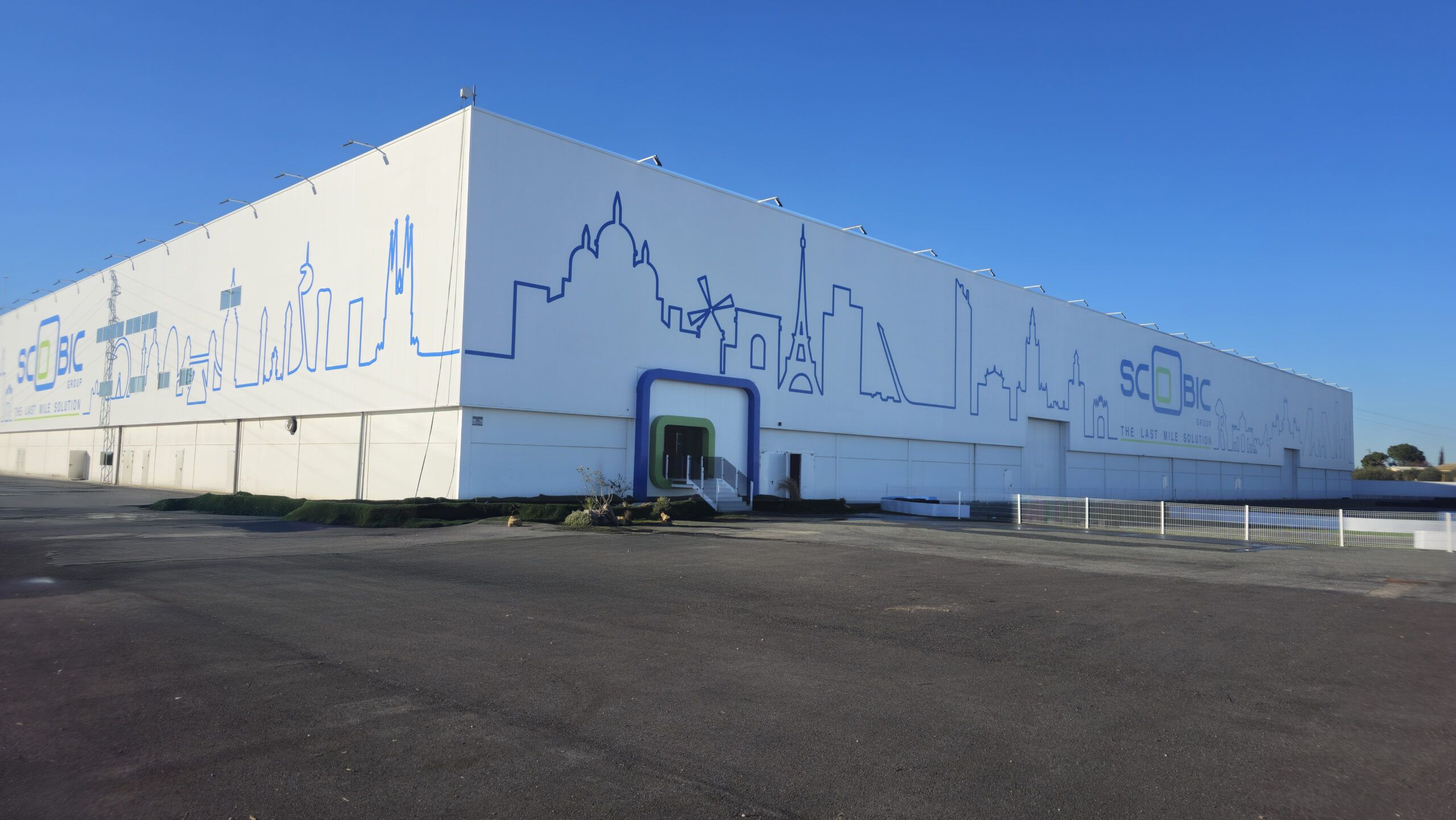
About Scoobic
Scoobic is a technological and industrial company specialising in the transformation of urban logistics. Its proposal combines specialised vehicles, technology, data, maintenance, and flexible access models to help businesses and administrations improve the efficiency of their last-mile operations.